







Search Results for: extraction time judgment
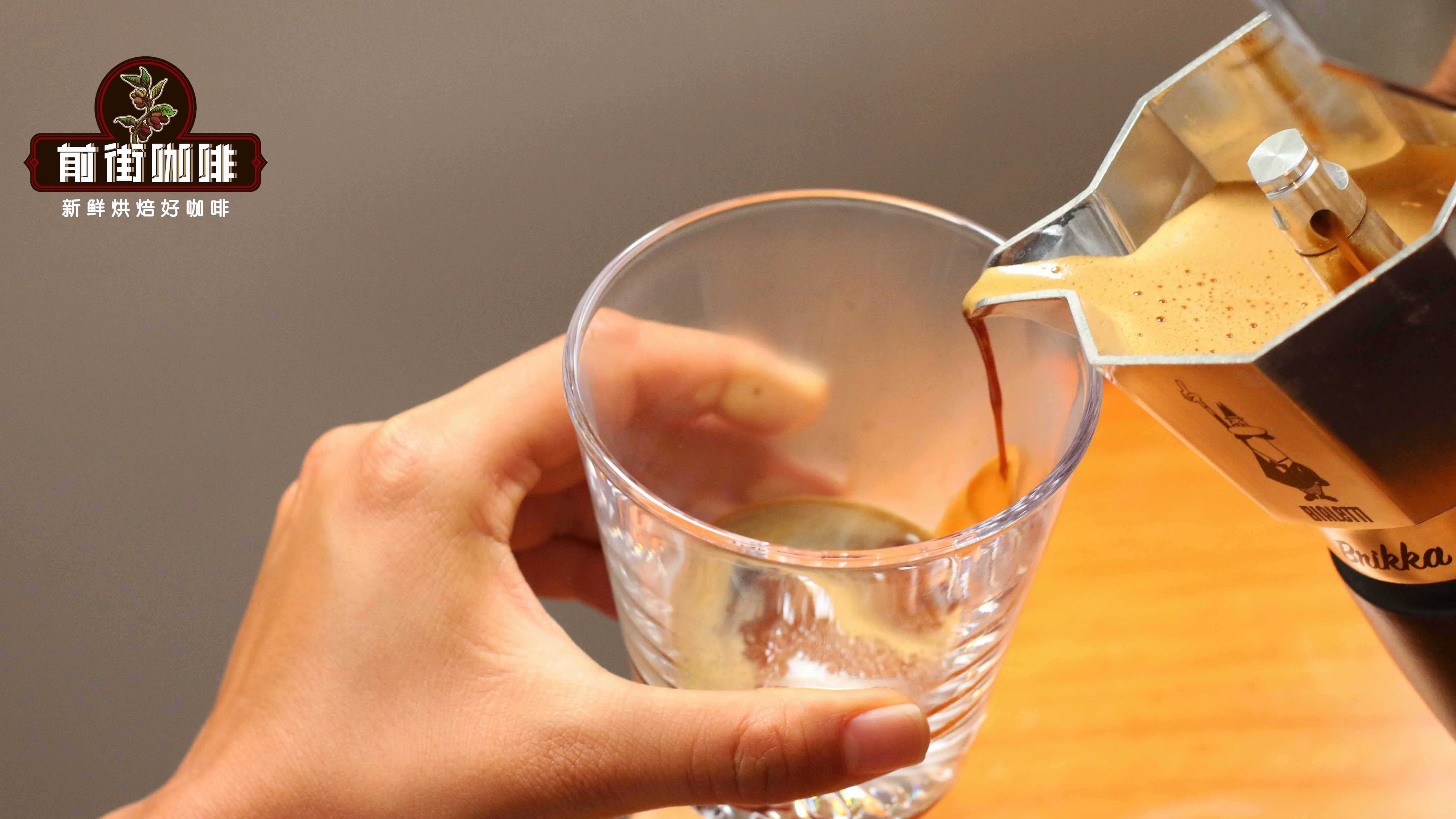
How to Choose the Coffee Grounds Setting for a Moka Pot? A Complete Guide to Grind Size Judgment and Safe Use
Using a moka pot looks simple, but the grind size for the coffee grounds gives many beginners a headache—too coarse and the flavor is weak, too fine and the coffee liquid struggles to flow out or even over-extracts. Grind size directly affects the extraction yield, working in tandem with contact time and flow rate. The moka pot is a pressure-driven device, operating at about 1.5 bar, with a grind size close to espresso but slightly coarser, and a particle diameter of about 0.3–0.55 mm. This article provides two methods: measuring with a particle size ruler and judging through dialing in, and offers adjustment suggestions based on Front Street Coffee's Classic Blend and Front Street Coffee's Strawberry Candy Espresso Blend. Finally, it reminds readers of the safety points for using the pressure relief valve, helping coffee lovers achieve consistent results. [more…]
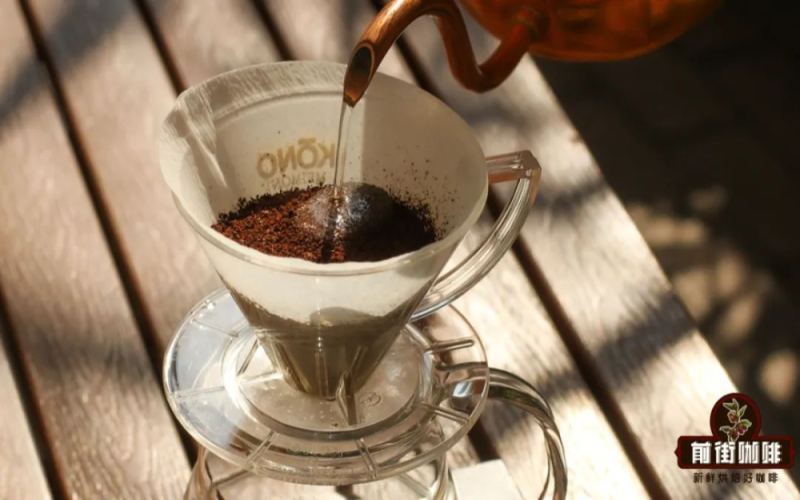
Why Is 30 Seconds the Benchmark for Hand-Pour Blooming? A Detailed Explanation of the Degassing Principle, Timing Judgment, and Whether It Counts Toward the Extraction Phase
Before formally pouring water for pour-over coffee, a small amount of hot water is usually used to wet the coffee grounds and let them sit for a moment. This step is called blooming. Many enthusiasts are familiar with the formula of "twice the water amount, wait 30 seconds," but they do not know where this number comes from, nor are they sure whether blooming counts as a stage of extraction. This article starts with the gases inside coffee beans after roasting, explains why blooming is necessary, how the two parameters of water amount and duration are determined, and what flavor problems insufficient blooming and excessive blooming each bring, helping readers understand that 30 seconds is only a conservative starting point for beginners, and that once skilled, one can judge flexibly based on the state of the coffee bed. [more…]
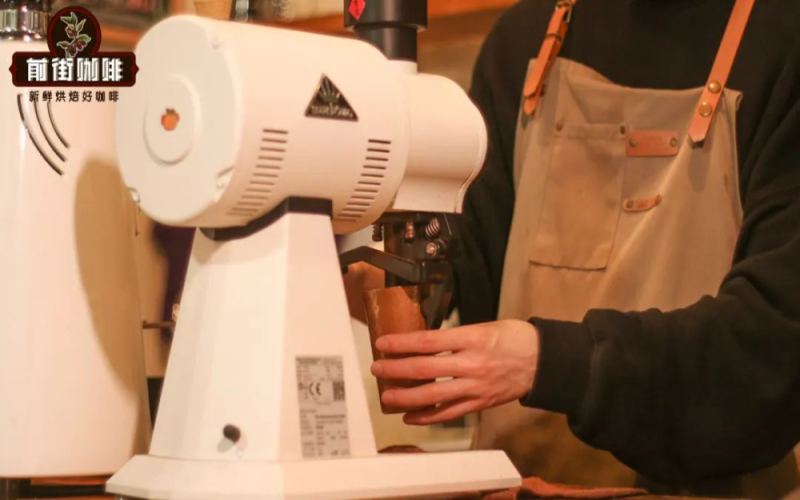
How to Calibrate Pour-Over Coffee Grind Size? A Practical Guide to No. 20 Sieve Pass Rate Testing and Judgment Tips
The grind size for pour-over coffee has always been a problem that puzzles many enthusiasts—the same description of "coarse sugar size" can be understood very differently by different people, and communication deviations directly lead to flavor differences. To solve this problem, Front Street Coffee adopted a "sieve calibration method," using a No. 20 sieve to quantify the grind level. This article will introduce the operating steps of this method in detail: how to choose a sieve, how to measure the pass-through rate, why it is recommended to control it at 80%, and when the grinder quality is poor, how to use brewing time and coffee bed state to assist in judging whether the grind is appropriate. No matter what grinder you use, this method can help you find a relatively stable grind reference. [more…]
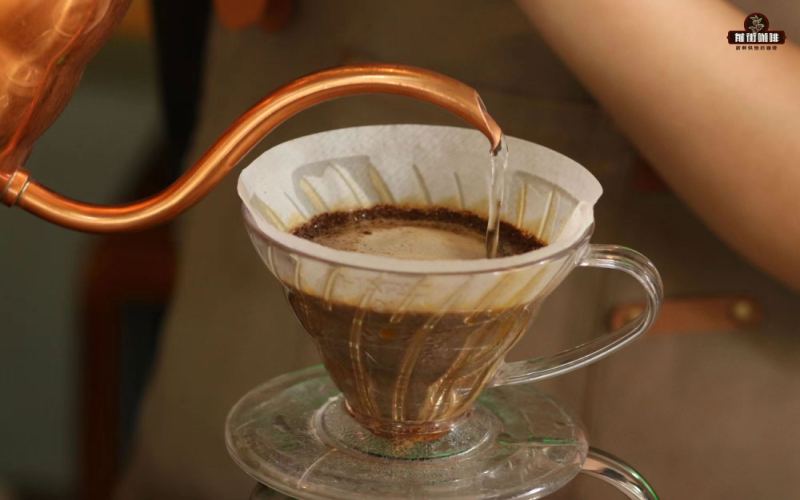
How to Determine Grind Size for Pour-Over Coffee? A Complete Guide from Sugar Comparisons to Sieve Testing
The flavor expression of pour-over coffee depends to a large extent on whether the grind size is appropriate. The grind size directly affects the speed at which water passes through the coffee bed and the amount of coffee compounds released; too coarse and the flavor is weak, too fine and the flavor is strong or even bitter. This article begins with the mechanism by which grinding affects flavor, introduces a method using granulated sugar particles as an intuitive reference, and further provides the operational details for precisely checking grind size with the Chinese standard No. 20 0.85mm sieve, along with Front Street's specific setting recommendations for medium-light and medium-dark roasted beans. In addition, it also outlines extraction time as a reference standard for judgment, as well as key factors affecting the taste of pour-over coffee such as coffee bean selection, making it suitable reading for coffee enthusiasts who want to systematically master grinding techniques. [more…]
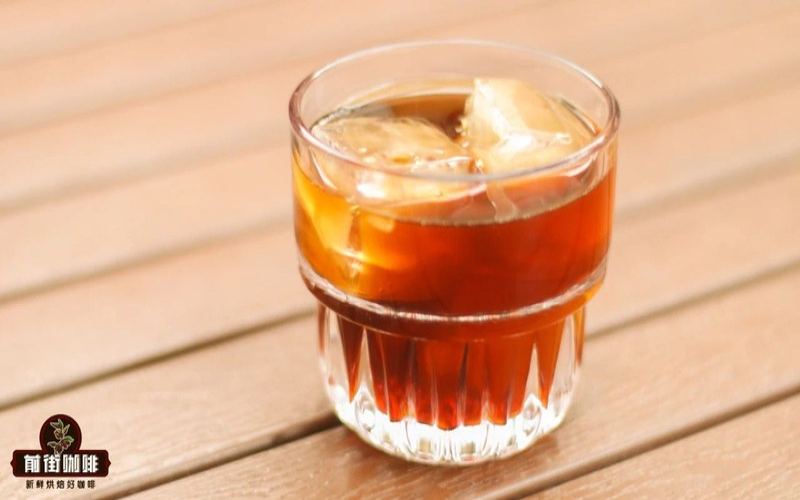
Mildly Acidic Yirgacheffe Recommendations: Balancing Budget and Drinking Frequency
A Yirgacheffe with soft acidity is suitable for gradually building judgment from taste experience. When buying beans for daily use, you need to consider how quickly you drink them, how much to buy at once, and whether you mainly make black coffee or milk coffee at home. The flavor words on the packaging can provide clues, but they cannot replace the actual drinking experience—whether the acidity is soft, whether the sweetness persists, and the mouthfeel [more…]

The Varietal Characteristics and Brewing Methods of Blue Mountain Coffee Beans: A Complete Analysis from Origin Grading to Pour-Over Practice
Blue Mountain coffee was once expensive due to its scarce production, but today, thanks to the efforts of brands like Front Street Coffee, it has become part of everyday life. Starting from the growing environment and historical background of Blue Mountain coffee, this article outlines the grading standards of the Jamaica Coffee Industry Association and the tradition of barrel packaging, and focuses on the roasting approach and pour-over extraction method for Front Street Blue Mountain No. 1. It also provides practical methods for identifying authenticity, such as price judgment, aroma recognition, and certificate verification, helping coffee enthusiasts make more accurate judgments when purchasing and brewing, and fully presenting the classic Blue Mountain flavor. [more…]
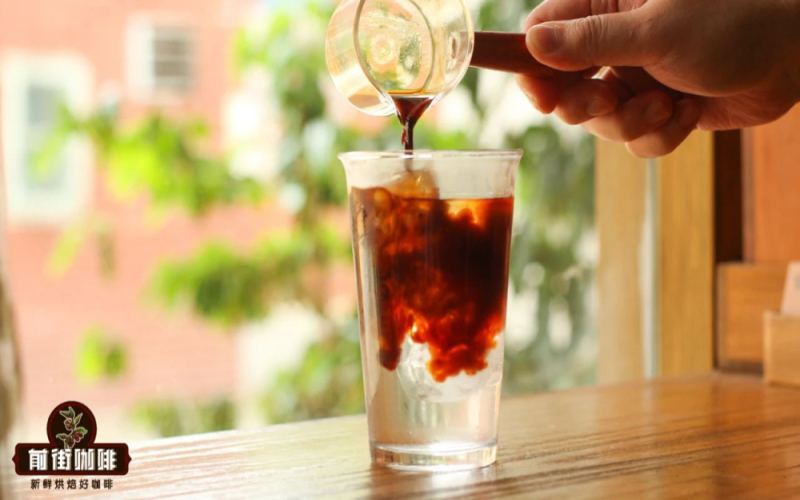
Yirgacheffe SOE Americano Flavor Explained: The Unique Performance of Espresso Made from Ethiopian Single-Origin Beans
In specialty coffee shops, SOE (Single Origin Espresso) has become almost a regular on the menu. Is making espresso with single-origin beans really superior to using a blend? Which beans are suitable for pulling espresso shots? This article, from the perspective of Front Street Coffee, sorts out the origin of the SOE concept, how it differs from blends in actual output, and how, when Front Street turns single-origin beans such as Yirgacheffe Natural Red Cherry and Costa Rica Mozart into espresso, the flavors of the americano and latte respectively take shape. If you're both curious about and hesitant about SOE, you might as well finish reading this before making a judgment. [more…]
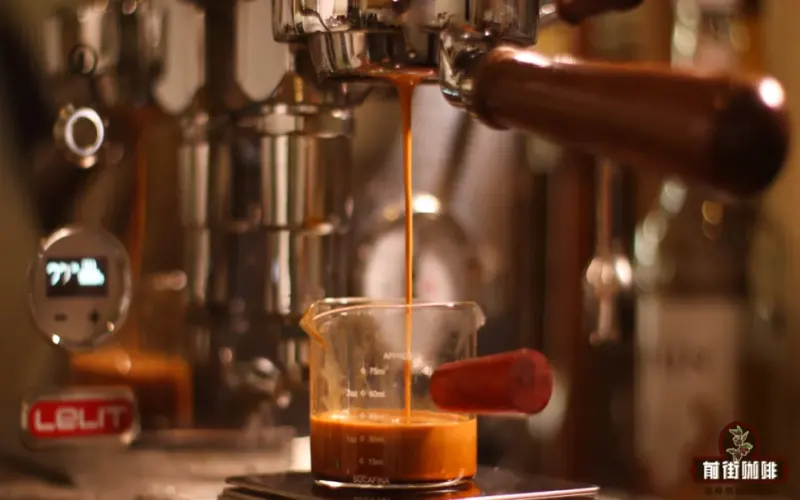
Espresso Dialing-In in Practice: Master Three Key Details to Easily Calibrate Extraction Parameters and Ratios in Three Shots
Every barista wants to quickly dial in espresso to the ideal state at the start of a shift, and the "three-shot dialing method" is precisely an efficient approach based on the underlying logic of extraction. However, merely understanding the principles of extraction is not enough. In actual practice, there are often easily overlooked details that affect judgment, leading to the waste of a large amount of coffee beans before calibration is achieved. In this article, Front Street will share three key points to note: the impact of hopper fill level on grinding consistency, how to identify and address grinding channel blockage, and how to make fine adjustments through dose or yield beyond adjusting the grind. Mastering these details, combined with a correct understanding of extraction, will make it easier to dial in espresso within three shots. [more…]
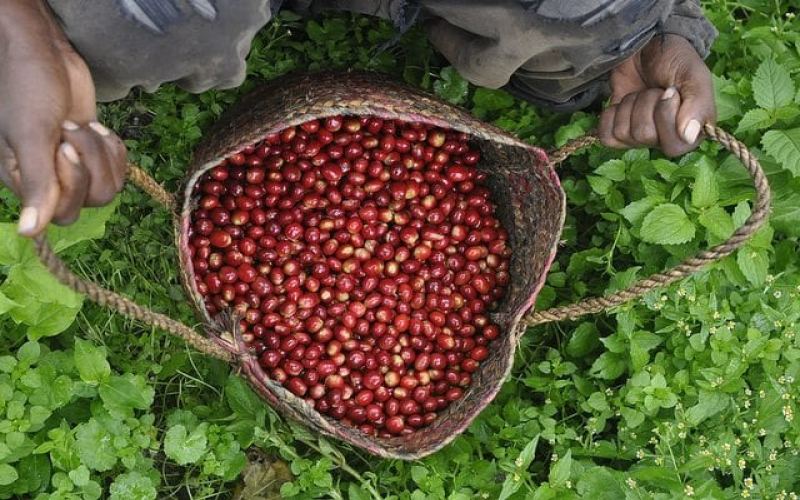
For beginners buying pour-over beans, choose according to roast level.
The roast level of pour-over coffee beans determines whether the flavor leans more toward floral and fruity, tea-like notes, or nuts, cocoa, and caramel. For those just starting to brew coffee at home, looking first at light, medium, or dark roast makes it easier to build judgment than fixating solely on origin names. Roast level does not represent a quality grade; rather, it helps you anticipate the flavor profile. [more…]
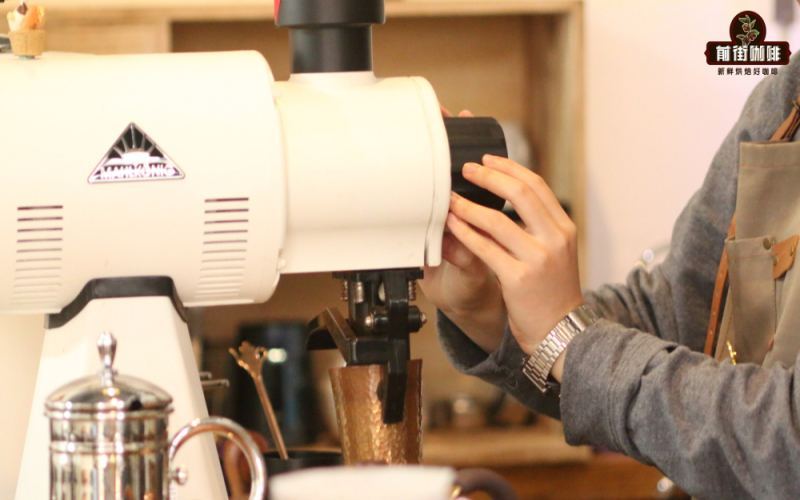
How to Set Your Coffee Grind Size? A Complete Guide to the No. 20 Sieve Calibration Method and Brewing Assessment
Many coffee enthusiasts feel confused after getting coffee beans: which grinder setting should they actually use? In reality, the burr designs and setting standards of grinders from different brands vary greatly, and the same number on different devices can produce dramatically different particle sizes. Therefore, when Front Street Coffee performs daily grind calibration, it uses the Chinese No. 20 standard sieve (0.85 mm aperture) to measure the passing rate as a unified reference. This article will start with the specific steps for sieve calibration, combine different roast levels and brewing methods to give grinding recommendations, and share how to judge whether the grind is appropriate based on brewing time and the settling state of the coffee bed, helping you build a grind assessment system that does not rely on grinder settings. [more…]
A Selection of Recommended Everyday Espresso Beans: Balancing Budget and Drinking Frequency
When choosing everyday espresso beans, you can set the complex information aside for now. For daily bean purchases, you need to consider how quickly you'll drink them, how much to buy at once, and whether you mainly make black coffee or milk-based coffee at home. Start with the two sets of differences—light versus bold, and black coffee versus milk coffee—then look at the roast date and processing method; your judgment will be more in line with daily life. [more…]
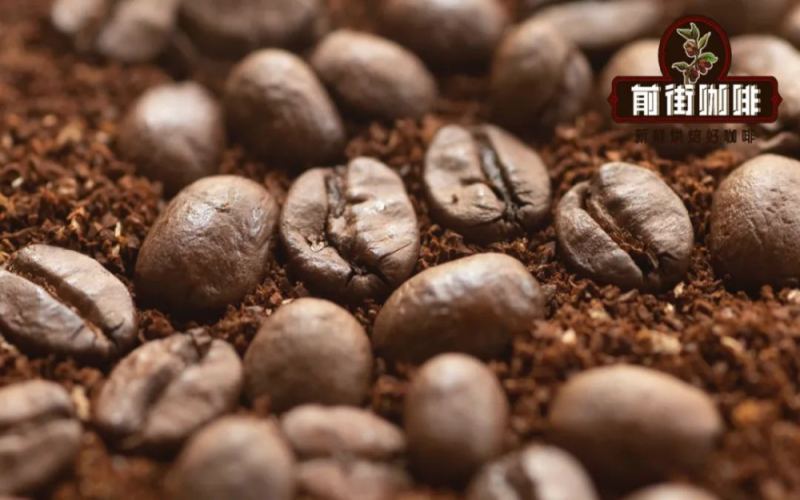
How to Accurately Determine Coffee Grind Size? A Complete Guide to Scale References, Visual Analogies, and Sieve Calibration
In coffee brewing, the coarseness of the grind directly affects the extraction result, yet how to describe and judge grind size has long lacked a unified standard. Some people use fine granulated sugar as an analogy, some rely on the grinder's settings, and others, like Front Street Coffee, quantify it through sieving rate. Each of these methods has its pros and cons, but the ultimate goal is the same: to help us adjust the grind into the right range before brewing. This article will systematically sort through three common ways of expressing grind size—the setting reference method, the visual analogy method, and the sieve calibration method—analyze their respective limitations and applicable scenarios, and explain in detail the No. 20 standard sieve procedure used by Front Street Coffee, helping you find the most suitable grind parameters with fewer beans. [more…]
How to Control Grind Size for Pour-Over Coffee? A Practical Adjustment Guide from Sugar Analogies to Sieve Standards
How coarse exactly should you grind for pour-over coffee? Many beginners are told the answer is "about the size of granulated sugar," but that description is not very helpful for those just starting out. Drawing on the daily experience of Front Street Coffee (FrontStreet Coffee), this article first explains the specific size range of granulated sugar particles, then explains why grind size directly affects extraction results, and afterward gives the ideal particle range of 0.6mm to 0.8mm along with the practical method of an 80% pass rate through a 0.85mm standard sieve. The article also combines two criteria for judgment—brewing time and the settling speed of the coffee bed—and uses Honduras Sherry beans as a sample to compare the cupping concentration differences between two grind settings, BG #8s and BG #3s, helping readers build a quantifiable way of thinking about grind adjustment. [more…]
Yirgacheffe authenticity: first understand the coffee bean's flavor clock
Yirgacheffe is often remembered as a coffee with floral notes, citrus, and a bright tea-like quality, but these descriptions are not fixed labels. From the moment roasting is completed to the moment it is sipped, coffee beans go through degassing, aroma development, and flavor decay. Seeing this curve of change clearly can help us judge the condition of a bag of beans and also provide a basis for identifying origin information. [more…]
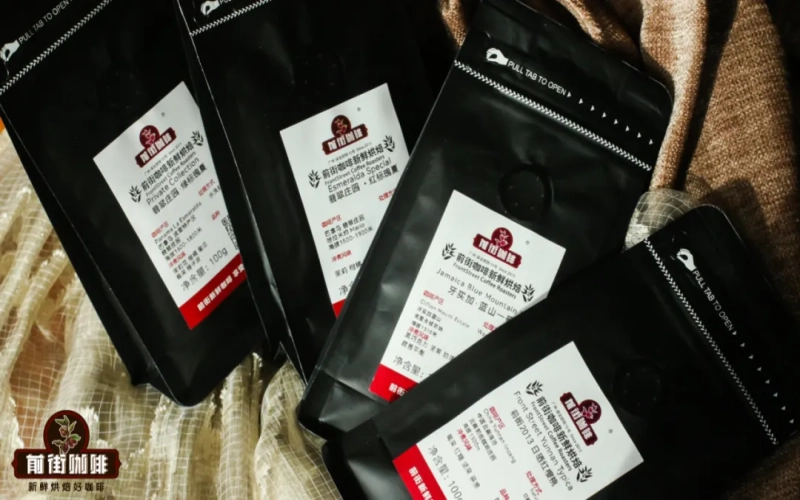
How to Tell Coffee Roast Levels Apart? From Acidic and Bitter Flavors to Appearance Parameters, a Thorough Guide to Judging Roast Degree
Faced with a dazzling array of coffee beans, how do you tell whether they are light roast or dark roast? This article starts with the industry's Agtron color value standard, explains why this professional grading system is not practical in everyday life, and then offers a more down-to-earth approach—classifying by the intensity of acidity, sweetness, and bitterness. It also uses specific examples from the Front Street Coffee bean list to teach you how to infer the roast level from flavor descriptions, and includes the brewing water temperature, grind size, and coffee-to-water ratio for different roast levels. In addition, observing the color of the bean surface and the oiliness can also provide a quick initial judgment, but you need to pay attention to a few exceptions to avoid under-extraction caused by misjudgment. [more…]

Yirgacheffe for Pour-Over: Complexity and Cleanliness
For pour-over Yirgacheffe, the standard is flavor layering and clarity: washed Gedeb, with its citrus florals and green tea sweetness, unfolds layer by layer through the pour-over filter paper; sun-dried Huakui has a richer fruit aroma—when brewed as pour-over, the strawberry sweetness arrives first, followed by the passion fruit acidity—pour-over brings out Yirgacheffe's layering [more…]
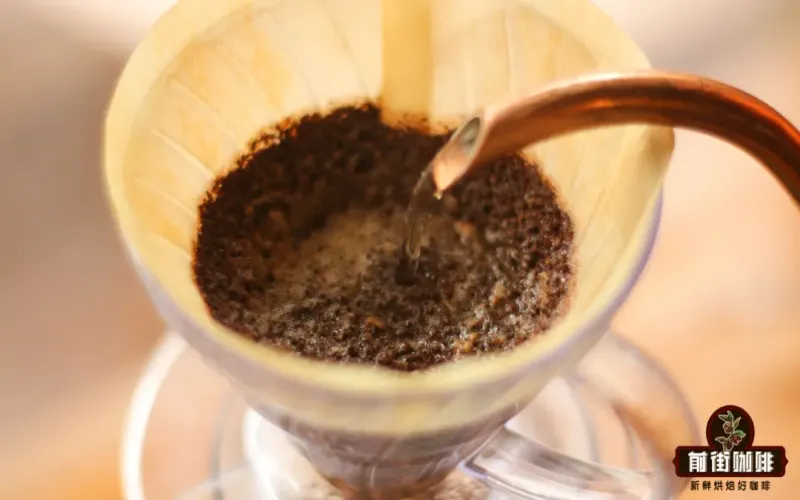
Pour-Over Coffee Segmented Pouring Timing Explained: Pour After the Water Drains or Before? The Core Technique of Three-Pour Brewing
Segmented pouring in pour-over coffee is one of the core techniques that many enthusiasts focus on. So-called segmented pouring means dividing the total water volume after blooming into multiple pours, with a waiting period between each pour to let the water in the dripper drain first. The choice of this waiting timing—whether to wait for the water to drain completely before pouring the next segment, or to pour when the water level is about to reach the bottom but has not yet fully drained—directly affects the total extraction time and the final flavor. Front Street Coffee once conducted a dedicated experiment on this and found that waiting for the water to completely finish draining before pouring again extends the extraction time, and the extent of that extension depends on the density and hardness of the coffee beans. Starting from Front Street's answer, this article will systematically sort out the purpose of segmented pouring, the differences in pouring timing, and the criteria for judgment in actual operation, helping pour-over enthusiasts find a brewing rhythm that suits them. [more…]
Coffee bean recommendations for opening a shop: balancing budget and drinking frequency
When selecting coffee beans for opening a shop, you can set the complex information aside for now. For everyday bean purchases, you need to consider how quickly you'll drink them, how much to buy at once, and whether your home mainly makes black coffee or milk coffee. Start with these two sets of differences—light versus rich, and black coffee versus milk coffee—then look at the roast date and processing method, and your judgment will be more in tune with daily life. [more…]
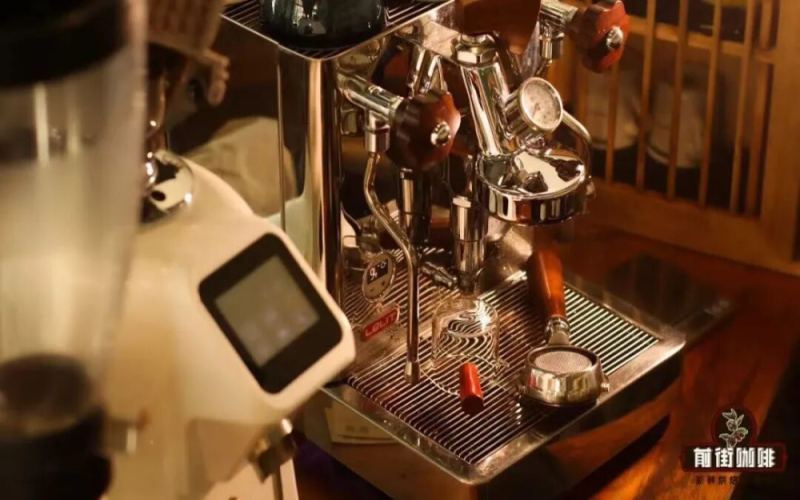
Analysis of Flavor Characteristics and Selection Guide for Espresso Beans: Practical Criteria from Blends to SOE
Espresso beans are not just synonymous with blends; today, single-origin beans can also handle espresso extraction. This article starts with how blends complement each other's strengths, explaining how blending makes flavors more balanced and the mouthfeel richer, and uses the delicious yet affordable Front Street specialty blend as an example to show the layered expression achieved by combining Brazilian nutty aromas with Colombian cocoa flavors; it then introduces SOE espresso made from single-origin beans, explaining its definition and roasting key points, and noting that medium-dark roasting is more conducive to high-pressure extraction and crema formation. Finally, it emphasizes the key impact of freshness on flavor and explains Front Street's commitment to fresh roasting within 5 days, helping coffee enthusiasts establish clear criteria for selection and judgment. [more…]
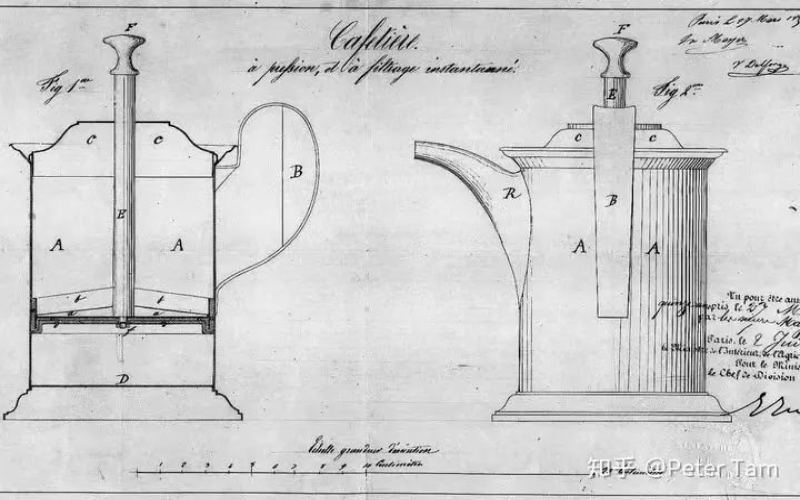
The Complete French Press Operation Guide: From Grind Size to Brew Time, Easily Brew a Rich Black Coffee
Want to enjoy a rich, full-bodied cup of black coffee at home without being put off by complicated equipment and processes? A French press may be exactly the hassle-free answer—it has a low barrier to entry, and you can have a cup ready after just a few minutes of steeping, almost as intuitive as brewing tea. However, if you want to consistently bring out its best, grind size, water temperature, steeping time, and plunging technique are all worth paying attention to. In this article, Front Street will focus on how to use a French press, with emphasis on why a coarse grind is more forgiving, why a fine grind is a double-edged sword, and the pitfalls that are easy to fall into in practice. Whether you are a coffee beginner just starting out or a seasoned drinker looking to add a quick option to your daily routine, you will find reusable steps and criteria for judgment here. [more…]